
Essential Vietnamese Tết (Lunar New Year) Vocabulary

Author
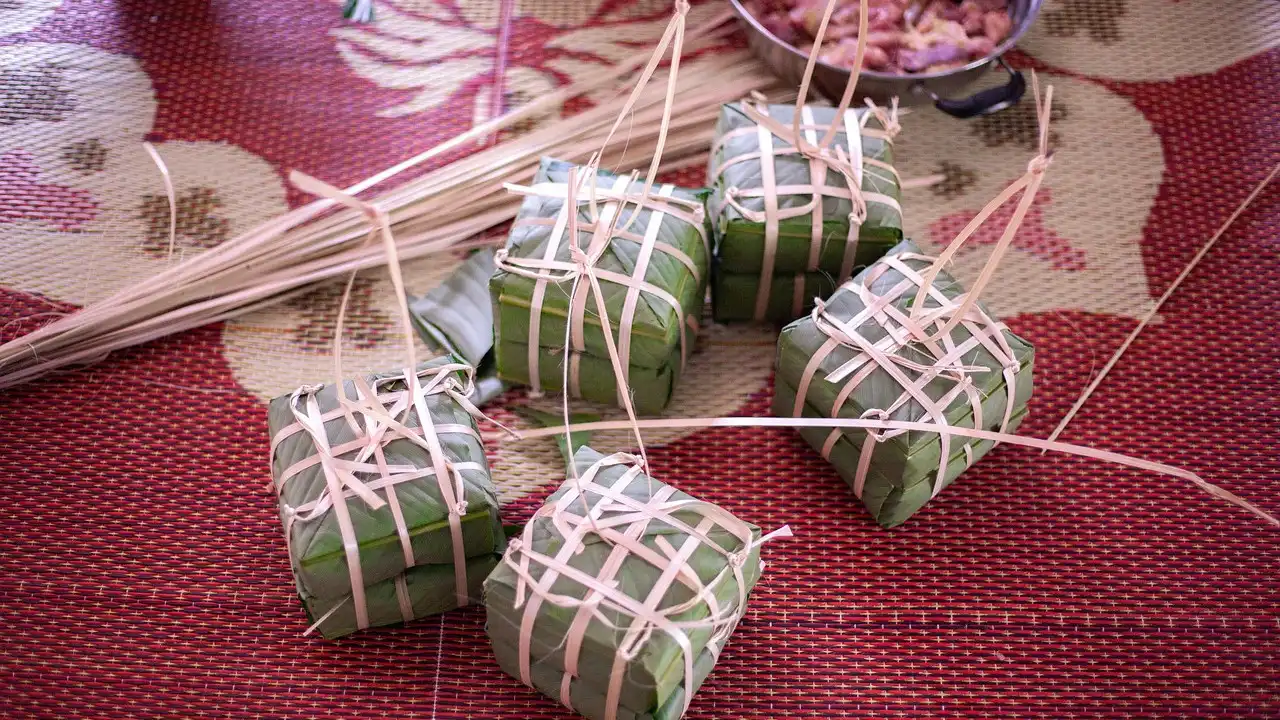
One of my favorite times on the Vietnamese calendar is Tết.
Tết (or Tết Nguyên Đán) is the Vietnamese Lunar New Year. It’s the most important cultural event in Vietnam, similar to Christmas and New Year combined in Western cultures.
It’s a time for family reunions, delicious food, and hoping for good luck in the coming year.
For a learner, this is the perfect opportunity to practice your speaking.
Vietnamese people love it when foreigners know how to say the proper greetings during this festive season.
In this guide, I’ll teach you the essential vocabulary you need to survive and thrive during Tết.
I’ll also cover some regional differences, as people in the North (Hanoi) and South (Ho Chi Minh City) celebrate slightly differently.
Table of Contents:
Common Tết greetings and wishes
The most basic phrase you will hear everywhere is “Chúc Mừng Năm Mới”.
This literally translates to “Wish Happy New Year”.
Chúc Mừng Năm Mới!
However, in Vietnamese culture, we rarely stop at just “Happy New Year.” We love to give specific wishes regarding health, money, and success.
When you wish someone, you should use the structure: Chúc + [Pronoun] + [The Wish].
For example, if you are speaking to an older man (Uncle/Chú):
Chúc chú sức khỏe dồi dào.
Here are the most common wishes you can use. You can combine them with Chúc mừng năm mới.
| Vietnamese Phrase | English Meaning | Context |
|---|---|---|
| An khang thịnh vượng | Security, good health, and prosperity | Very formal and common, safe for everyone. |
| Vạn sự như ý | Everything goes as you wish | Hoping all their plans succeed. |
| Sức khỏe dồi dào | Abundant health | Perfect for older people (grandparents). |
| Tiền vô như nước | Money flows in like water | Fun and popular, great for business owners or friends. |
| Hay ăn chóng lớn | Eat well and grow fast | Used specifically for children. |
Important food vocabulary
Food is the heart of the Tết celebration. However, there is a big difference between the food in Northern Vietnam and Southern Vietnam.
If you are in Hanoi (North), the iconic cake is square. If you are in Saigon (South), the iconic cake is cylindrical (round and long).
Here is the essential food vocabulary:
| Vietnamese | English | Region/Notes |
|---|---|---|
| Bánh chưng | Square sticky rice cake | Popular in the North. Filled with mung bean and pork. |
| Bánh tét | Cylindrical sticky rice cake | Popular in the South. Similar ingredients to Bánh chưng. |
| Mứt | Dried candied fruits/jam | Served to guests with tea. (e.g., Mứt dừa - Coconut jam). |
| Hạt dưa | Watermelon seeds | People crack these red seeds with their teeth while chatting. |
| Thịt kho hột vịt | Braised pork with eggs | A staple dish in Southern homes during Tết. |
| Củ kiệu | Pickled scallion heads | Often eaten with Bánh tét/Bánh chưng. |
Bạn có thích ăn bánh chưng không?
Symbols and decorations
You can tell Tết is coming when you see flowers appearing on the streets. Just like the food, the flowers we choose depend on the region.
The color red (màu đỏ) and yellow/gold (màu vàng) are considered very lucky. You will see these colors everywhere.
- Hoa đào (Peach blossom): This is a pink flower. It is the symbol of Tết in the North. The cold weather in the North suits this flower.
- Hoa mai (Ochna integerrima): This is a yellow flower. It is the symbol of Tết in the South.
- Cây quất (Kumquat tree): A tree with small orange fruits. It represents fruitfulness and luck. You see this in both regions, but very heavily in the North.
- Mâm ngũ quả (Five-fruit tray): An ancestral altar arrangement. It consists of five different fruits to show respect to ancestors.
Cây hoa đào này đẹp quá.
Time expressions for the holiday
Tết is not just one day. It is a process. It follows the Lunar Calendar (Âm lịch), so the dates change every year on the Western calendar (usually January or February).
Here is how we talk about the specific days:
- Tất niên: This is the “End of Year” party. Families or companies have this party before the new year starts to finish the old year.
- Giao thừa: New Year’s Eve. This is the exact moment of transition from the old year to the new year (midnight).
- Mùng: This word is used to count the days of the new lunar month.
- Mùng một: The 1st day of the New Year (Most important).
- Mùng hai: The 2nd day.
- Mùng ba: The 3rd day.
Mùng một bạn làm gì?
Lucky money vocabulary
This is the favorite part of Tết for children and unmarried young adults!
Adults give red envelopes containing money to children and the elderly to wish them luck.
There is a vocabulary difference here depending on where you are:
- Lì xì: This is used in the South. It comes from a Cantonese phrase meaning “lucky money”. It can be a noun (the envelope) or a verb (to give the money).
- Mừng tuổi: This is used in the North. It literally means “celebrating a new age.” Because traditionally, everyone turns one year older on Tết, not on their birthday.
Em có được nhiều lì xì không?
Mình muốn mừng tuổi cho mấy bé.
Tết’s a wonderful, chaotic, and happy time in Vietnam.
Don’t be afraid to use these phrases. Even if your tones aren’t perfect, Vietnamese people will be very happy that you tried to say Chúc Mừng Năm Mới.
To review, here are the top 3 things to remember:
- Use Chúc Mừng Năm Mới for a general greeting.
- In the North, eat Bánh chưng and look for Hoa đào.
- In the South, eat Bánh tét and look for Hoa mai.
Good luck with your Vietnamese studies.
Chúc bạn học tốt!
